








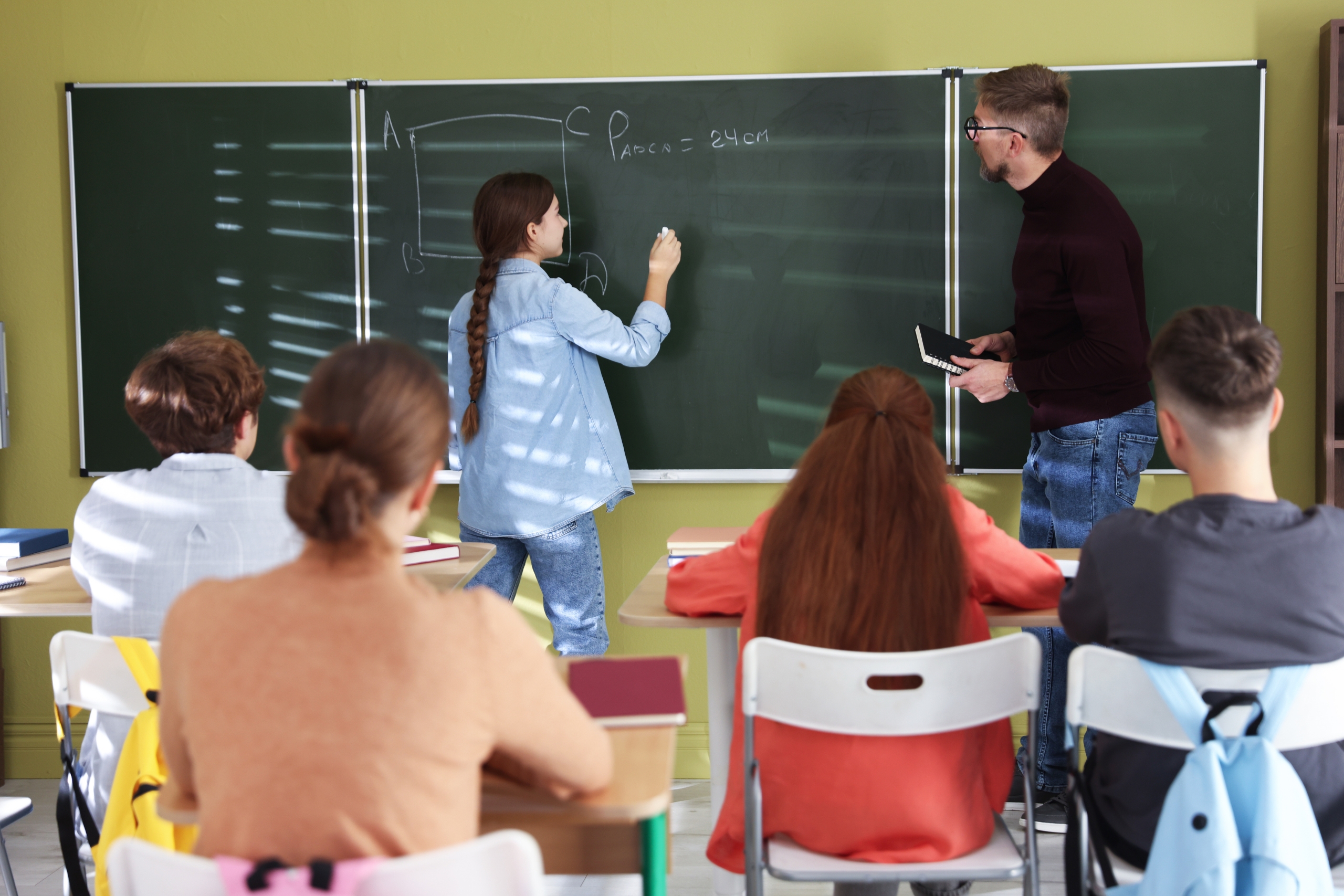
Every classroom is filled with students who learn at different speeds. Some grasp new concepts almost immediately, while others need additional time, repetition, and guidance to fully understand the material. This variation in learning capacity is completely natural, yet it presents one of the biggest challenges teachers face. Managing a classroom where advanced learners seek more stimulation and struggling students require extra support demands thoughtful planning and flexibility.
Rather than viewing these differences as obstacles, educators can treat them as opportunities to build inclusive and adaptive learning environments. When teachers recognize diverse learning speeds and adjust their strategies accordingly, they create classrooms where every student has the chance to succeed. By implementing practical teaching techniques, fostering patience, and encouraging collaboration, educators can bridge learning gaps without slowing down overall progress. Understanding how to balance these dynamics is essential for effective and meaningful education.
Understanding Diverse Learning Capacities
Students differ in how they process, retain, and apply information. These differences may stem from cognitive development, prior knowledge, learning styles, home environment, or even confidence levels. Some students are visual learners, while others respond better to hands-on activities or verbal explanations.
Recognizing these differences is the first step toward effective instruction. Teachers who observe participation patterns, quiz performance, and engagement levels can better identify which students need reinforcement and which require enrichment.
Within structured differentiated instruction strategies for diverse learners, awareness of individual learning capacity is central. Instead of delivering lessons in a one-size-fits-all format, educators tailor methods to match varying needs.
When teachers understand that slower learning does not indicate lower intelligence, they cultivate a more supportive and respectful classroom culture. Acknowledging diversity in learning speed promotes empathy and balanced expectations.
Implementing Differentiated Teaching Methods
Differentiated instruction allows teachers to modify content, process, or assessment based on student ability. For example, advanced learners may receive extension activities that deepen understanding, while students who struggle can work with simplified explanations or guided practice.
Flexible grouping is a powerful tool. Students can be grouped by skill level for certain tasks and mixed for collaborative projects. This ensures that faster learners remain challenged without isolating others.
Providing multiple ways to access information—such as videos, diagrams, discussions, and hands-on exercises—accommodates different learning styles. Offering tiered assignments also helps students progress at their own pace while meeting curriculum objectives.
Differentiation does not mean lowering standards; it means adjusting pathways to reach the same goals. When thoughtfully applied, it maintains classroom balance and academic growth.
Encouraging Peer Support and Collaborative Learning
Peer collaboration can significantly reduce learning gaps. Pairing students strategically allows faster learners to reinforce their knowledge by explaining concepts, while slower learners gain clarification from classmates.
Group activities foster teamwork and communication skills. However, teachers must ensure that collaboration remains balanced so that stronger students do not complete tasks alone. Assigning clear roles within groups promotes equal participation.
Within effective inclusive classroom management and adaptive learning approaches, peer interaction strengthens understanding across varying ability levels. Students often feel more comfortable asking questions among peers than in whole-class discussions.
Collaborative environments also reduce stigma around learning differences. When cooperation becomes routine, students learn to value diverse strengths and support one another’s growth.
Providing Constructive Feedback and Positive Reinforcement
Feedback plays a crucial role in supporting students with different learning capacities. Specific, constructive comments guide improvement more effectively than general praise or criticism.
For slower learners, breaking tasks into smaller, achievable steps builds confidence. Celebrating incremental progress motivates continued effort. For advanced students, feedback should challenge them to think critically and explore deeper concepts.
Regular formative assessments help teachers identify gaps early and adjust instruction accordingly. Encouraging questions and fostering open communication ensures that students feel safe expressing confusion.
A supportive feedback system nurtures resilience and growth mindset. When students understand that learning is a process, they become more willing to embrace challenges.
Creating a Flexible and Supportive Learning Environment
A classroom that accommodates diverse learning speeds must prioritize flexibility. Allowing varied pacing for assignments and offering additional resources—such as tutoring sessions or supplementary materials—ensures that no student feels left behind.
In broader student-centered teaching and personalized education techniques, flexibility is essential. Adapting deadlines when appropriate and providing optional enrichment tasks ensures balanced engagement.
Teachers should also communicate with parents or guardians when additional support is needed. Collaboration between school and home strengthens learning continuity.
Ultimately, fostering patience and understanding creates an environment where students feel valued regardless of their pace. A supportive classroom culture reduces anxiety and enhances overall academic performance.
Conclusion
Dealing with different learning capacities in the classroom requires awareness, adaptability, and empathy. Students naturally vary in how quickly they grasp new concepts, and effective teachers recognize these differences without labeling or limiting potential. By implementing differentiated instruction, encouraging peer collaboration, offering constructive feedback, and maintaining flexible learning environments, educators can support both fast and slow learners simultaneously. The goal is not to accelerate everyone to the same pace but to ensure that each student progresses meaningfully. Inclusive strategies help advanced learners stay engaged while providing additional guidance to those who need it. When classrooms are structured around understanding rather than comparison, students develop confidence and resilience. Ultimately, teaching is not about delivering information at a uniform speed—it is about guiding diverse learners toward shared educational goals. With thoughtful planning and student-centered approaches, teachers can create balanced classrooms where every learner has the opportunity to succeed.