








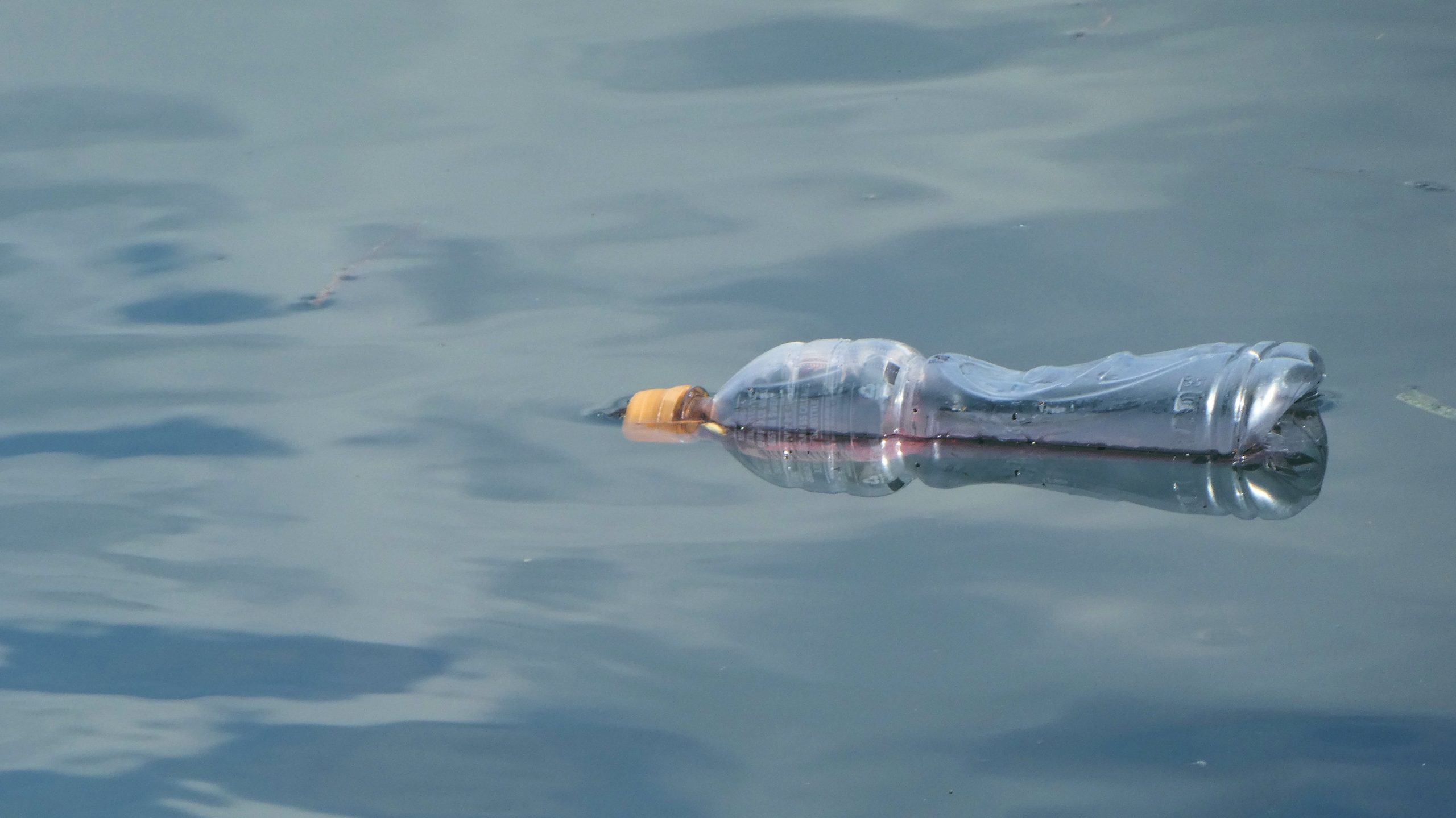
Water is essential for life, yet millions of people worldwide are exposed to contaminated water sources every day. Water pollution occurs when harmful substances such as chemicals, waste, bacteria, and heavy metals enter rivers, lakes, groundwater, and oceans. These pollutants compromise water quality and pose serious risks to human health. While some effects appear immediately, others develop gradually over time, leading to chronic conditions and long-term health complications.
Communities that rely on untreated or poorly regulated water supplies are particularly vulnerable. Children, pregnant women, and individuals with weakened immune systems face higher risks from exposure to contaminated water. Understanding the health effects of water pollution is critical for prevention and public awareness. By recognizing how pollutants affect the body and the diseases they may cause, individuals and policymakers can take stronger action to protect water resources and safeguard public health.
Waterborne Diseases and Immediate Health Risks
One of the most direct consequences of water pollution is the spread of waterborne diseases. Contaminated water often contains bacteria, viruses, and parasites that cause infections. Common illnesses include cholera, dysentery, typhoid fever, and hepatitis A. These diseases typically spread when people drink or use polluted water for cooking and hygiene.
Symptoms may include diarrhea, vomiting, dehydration, fever, and abdominal pain. In severe cases, untreated infections can lead to life-threatening complications. Children are especially vulnerable because dehydration affects them more rapidly.
Within broader environmental health and water contamination impact studies, researchers consistently highlight the strong connection between unsafe water and infectious disease outbreaks. Poor sanitation systems and industrial discharge contribute significantly to these health risks.
Preventing waterborne diseases requires improved sanitation, water treatment systems, and community education. Clean water access remains one of the most effective public health interventions globally.
Chemical Contaminants and Toxic Exposure
Industrial waste, agricultural runoff, and improper disposal of chemicals introduce toxic substances into water sources. Heavy metals such as lead, mercury, and arsenic can accumulate in drinking water supplies. Long-term exposure to these contaminants may cause serious health issues.
Lead exposure, for example, affects neurological development in children and can result in cognitive impairment. Arsenic contamination has been linked to skin disorders, cardiovascular disease, and certain cancers. Mercury exposure may damage the nervous system and kidneys.
In comprehensive public health research on polluted water and toxic substances, chemical contamination is identified as a major contributor to chronic disease. Unlike waterborne infections, toxic exposure often develops slowly, making detection and diagnosis more challenging.
Monitoring industrial discharge and enforcing environmental regulations play essential roles in reducing chemical water pollution and protecting communities.
Impact on Reproductive and Developmental Health
Water pollution can significantly affect reproductive health and child development. Pregnant women exposed to contaminated water may face higher risks of complications such as preterm birth or low birth weight.
Certain chemicals, including endocrine-disrupting compounds found in pesticides and plastics, interfere with hormonal balance. These substances may impact fertility and fetal development. Long-term exposure during childhood can influence growth patterns and cognitive development.
Communities living near industrial zones or agricultural areas often experience higher exposure levels. Protecting water sources in these regions becomes crucial for safeguarding maternal and child health.
Awareness campaigns and stricter environmental policies help minimize exposure risks and support healthier developmental outcomes.
Skin Conditions and Respiratory Problems
Polluted water does not only pose risks when consumed; direct contact can also cause health issues. Swimming or bathing in contaminated water may result in skin irritation, rashes, and infections. Harmful bacteria and chemical residues can penetrate through the skin.
In some cases, polluted water releases toxic gases or contributes to air contamination near affected areas. This may trigger respiratory problems, particularly for individuals with asthma or allergies.
Communities that rely on polluted water for daily use often report recurring dermatological and respiratory complaints. Addressing pollution sources reduces these risks significantly.
Ensuring safe recreational water environments and proper waste management systems protects public health beyond drinking water safety alone.
Long-Term Chronic Health Consequences
Chronic exposure to polluted water can result in long-term health complications. Persistent ingestion of contaminated water may contribute to kidney disease, liver damage, and certain types of cancer. The cumulative effect of toxins builds gradually within the body.
Bioaccumulation in aquatic ecosystems further complicates the issue. Fish and seafood exposed to polluted water may carry toxins that transfer to humans through consumption. This indirect exposure broadens the health impact.
Sustainable environmental management is critical in preventing chronic disease linked to water pollution. Regular water quality testing and infrastructure improvements support safer communities.
Long-term prevention strategies require collaboration between governments, industries, and local communities.
Conclusion
Water pollution presents serious and far-reaching health risks, ranging from immediate infectious diseases to long-term chronic conditions. Contaminated water can carry harmful bacteria, toxic chemicals, and heavy metals that threaten physical development, reproductive health, and organ function. Vulnerable populations, including children and pregnant women, face heightened risks, emphasizing the importance of clean water access as a fundamental public health priority. While waterborne illnesses may appear quickly, toxic exposure often develops gradually, making prevention and monitoring essential. Addressing water pollution requires coordinated efforts in environmental regulation, industrial accountability, sanitation improvements, and community education. Access to safe drinking water not only prevents disease but also supports overall well-being and economic stability. By recognizing the health consequences associated with polluted water, societies can prioritize sustainable practices that protect both ecosystems and human populations. Clean water is not merely an environmental issue—it is a critical foundation for global health and long-term quality of life.