








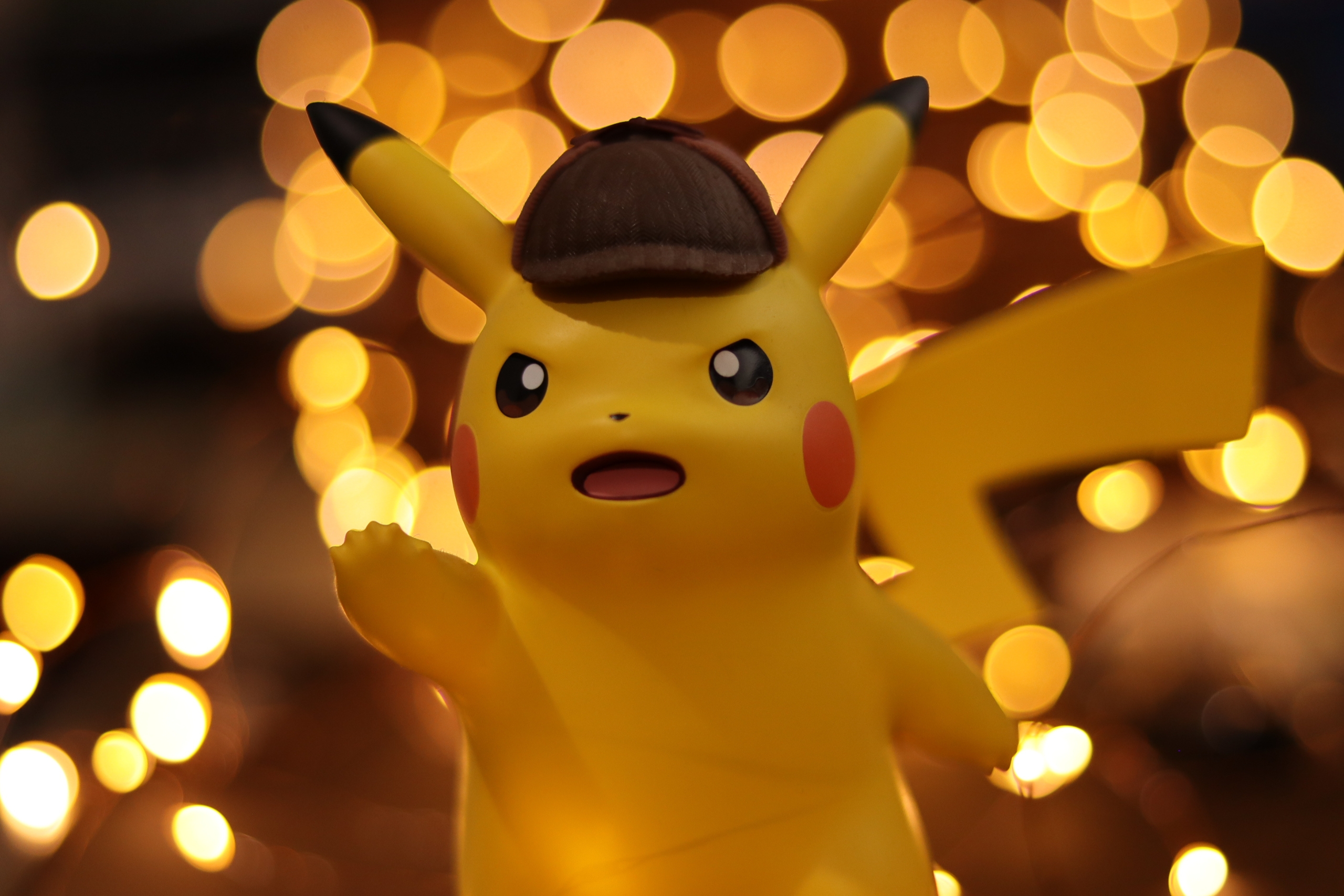
Since its debut in the 1990s, Pokémon has grown from a simple video game concept into one of the most successful entertainment franchises in history. What began as a role-playing game quickly expanded into anime series, blockbuster movies, trading cards, toys, and countless forms of merchandise. The Pokémon universe captivates audiences of all ages by blending adventure, friendship, and imaginative creatures known as Pokémon.
Its global appeal lies in its adaptability. From television screens to cinema releases and retail shelves, Pokémon continues to evolve while staying true to its core themes. Generations of fans have grown up watching Ash and Pikachu’s journey, collecting trading cards, and engaging with new storylines introduced through movies and series. Exploring Pokémon beyond the games reveals a vast cultural phenomenon that extends far beyond entertainment—it represents nostalgia, creativity, and community on a global scale.
Pokémon in Anime: A Global Cultural Phenomenon
The Pokémon anime series first aired in 1997 and quickly gained international recognition. Following the adventures of Ash Ketchum and his loyal partner Pikachu, the show introduced viewers to a world where humans and Pokémon coexist. Each season explores new regions, rivalries, and gym challenges, keeping the storyline fresh while maintaining familiar characters.
The anime’s structure—combining episodic adventures with overarching goals—allows audiences to connect emotionally with characters. Themes of friendship, perseverance, and teamwork resonate strongly with viewers across age groups.
Within the broader Pokémon franchise entertainment and pop culture influence, the anime has been instrumental in building long-term loyalty. Its accessible storytelling and memorable characters make it easy for new fans to join at any point.
Over the years, updated animation styles and expanded character arcs have ensured that the series remains relevant to modern audiences while honoring its legacy.
Pokémon Movies: Expanding the Adventure
In addition to the anime series, Pokémon movies have played a significant role in expanding the universe. Each film typically focuses on legendary or mythical Pokémon, introducing dramatic storylines and higher-stakes conflicts than regular episodes.
The first movie, Pokémon: The First Movie – Mewtwo Strikes Back, became a cultural milestone. Subsequent films continued exploring themes of identity, responsibility, and coexistence between humans and Pokémon.
Unlike episodic storytelling, movies allow for deeper emotional narratives and cinematic experiences. Spectacular battles, emotional character moments, and new Pokémon introductions enhance the franchise’s depth.
Through theatrical releases and streaming platforms, Pokémon films maintain global accessibility. These movies strengthen the franchise’s presence in mainstream entertainment and reinforce its storytelling versatility.
Pokémon Merchandise: Toys, Apparel, and Everyday Products
Pokémon’s influence extends well beyond screens. Merchandise ranging from plush toys and action figures to clothing, backpacks, and home décor contributes significantly to the brand’s success.
Pikachu remains one of the most recognizable mascots worldwide, appearing on countless consumer products. Limited-edition collaborations with fashion brands and lifestyle companies have broadened Pokémon’s audience beyond children.
Within the dynamic anime merchandise and collectible brand expansion market, Pokémon consistently ranks among top-selling franchises. Seasonal releases and special editions keep fans engaged and eager to collect new items.
Merchandise not only generates revenue but also strengthens emotional attachment. Owning Pokémon-themed products allows fans to express their connection to the franchise in everyday life.
Pokémon Trading Cards and Collectibles
The Pokémon Trading Card Game (TCG) is one of the most iconic collectible aspects of the franchise. First launched in the late 1990s, it combines strategic gameplay with collectible rarity, making it appealing to both players and investors.
Rare cards, particularly first-edition holographic releases, have reached significant resale values in recent years. Tournaments and online trading communities keep the game active and competitive.
Collectibles extend beyond cards to include figurines, limited-edition statues, and commemorative items. These products cater to dedicated fans who value nostalgia and exclusivity.
The collecting culture surrounding Pokémon demonstrates how entertainment franchises can create thriving secondary markets and passionate communities.
Pokémon’s Enduring Cultural Impact
Pokémon’s longevity stems from its ability to adapt across generations. New characters, updated animation styles, and innovative merchandise keep the franchise evolving while preserving core values.
Interactive mobile games like Pokémon GO further expanded engagement, encouraging real-world exploration. This digital innovation introduced Pokémon to entirely new audiences.
The franchise’s consistent messaging around friendship and perseverance ensures universal appeal. Its blend of adventure and creativity fosters lasting emotional connections.
Pokémon’s expansion into movies, anime, and collectibles highlights its multifaceted success as both entertainment and global brand.
Conclusion
The Pokémon universe extends far beyond its original video game roots, encompassing anime series, blockbuster movies, and an extensive range of merchandise and collectibles. Through compelling storytelling and memorable characters, the anime built a global fan base that continues to grow. The films expanded narrative depth and cinematic appeal, while trading cards and merchandise transformed Pokémon into a cultural and commercial powerhouse. Each element reinforces the franchise’s core themes of friendship, determination, and imagination. Its ability to evolve with technological trends and consumer interests has ensured long-term relevance across generations. From nostalgic collectors to new fans discovering the series for the first time, Pokémon remains a unifying force within global entertainment. By bridging storytelling, gaming, and merchandising, the franchise demonstrates how a creative concept can grow into a lasting cultural phenomenon. Pokémon’s enduring popularity proves that innovation, adaptability, and emotional connection are key ingredients in building a timeless entertainment empire.